
Concrete, Brick & Tile Skip Bins
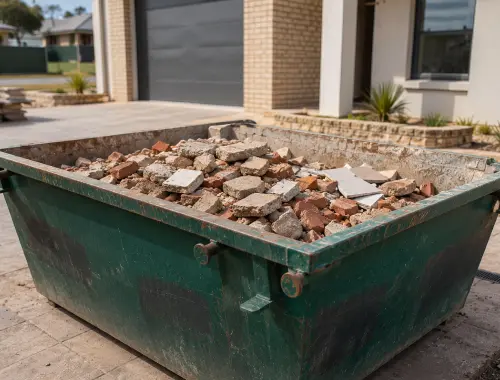
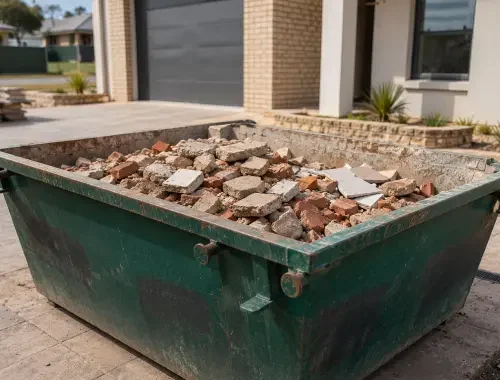
Concrete, brick and tile skip bins provide an option for clean masonry waste from renovations, demolition work and building projects within the listed Adelaide service area.
They suit homeowners, builders and tradies disposing of separated concrete, bricks or tiles without soil, timber, metal or household rubbish. Available in confirmed 2m³, 3m³ and 4m³ sizes, each bin must be loaded safely and kept below the rim.
Clean Masonry, Clear Rules
Why Choose Us for Concrete, Brick & Tile Skip Bins
Choosing the correct masonry waste category matters because contamination can affect collection and lead to additional costs. Adelaide Skip Bin Hire PTY LTD keeps the requirements clear: these bins are for concrete, bricks and tiles only. Soil, dirt, sand, clay, timber, metal, green waste and household rubbish must be kept out, helping customers prepare a cleaner, more suitable load from the start.
The available 2m³, 3m³ and 4m³ options suit different volumes of separated masonry waste. Although this category has no stated weight limit, that does not permit overloading. Materials must remain below the top rim, the bin must be safe for transport, and the truck must be able to collect it. This distinction helps prevent unsafe assumptions when handling dense concrete and brick waste.
Confirmed base pricing includes GST, delivery, pickup and five days of hire, giving customers a clear starting point when planning a concrete, brick or tile clean-up. We also encourage customers to describe their materials and access conditions before booking. That practical check can prevent the wrong bin category, an unsuitable placement position or a contaminated load that creates avoidable collection problems.

Happy Customers
Read Reviews...

I was removing an old concrete patio and wanted a bin that was specifically suitable for the heavy masonry rather than general renovation rubbish. The booking guidance helped me understand that the load needed to contain concrete only, with no soil, timber or metal mixed through it. That clarity made it easier to separate the waste properly, choose a suitable bin size and keep the load ready for collection without confusion.

My bathroom renovation produced a large amount of broken floor and wall tiles, and I was unsure whether they could go into an ordinary skip. The concrete, brick and tile skip bin option gave me a clear category for the clean tile waste. I appreciated knowing which materials had to stay out, how high the bin could be filled and why keeping the load uncontaminated mattered before pickup.

After dismantling a damaged brick garden wall, I needed a practical way to remove the bricks without mixing them with dirt and plants from the surrounding area. The masonry skip bin rules were straightforward and helped me keep the brick load separate. Having confirmed 2m³, 3m³ and 4m³ choices also made it easier to select a bin that matched the amount of material rather than booking more capacity than necessary.

I was replacing sections of a concrete driveway and needed to plan both the waste removal and where the bin could be positioned. The information about concrete skip bin hire made the process easier because it covered clean-load requirements, safe filling and access considerations. I was able to explain the site conditions before delivery, keep the concrete below the rim and avoid adding unrelated renovation materials to the bin.

Our renovation created separate piles of bricks, tiles and general building rubbish, so choosing the correct category was important. The team explained that the concrete, brick and tile bin had to remain a clean masonry load rather than becoming a mixed construction bin. That distinction helped us organise the site, prevent contamination and use the bin for the materials it was intended to carry throughout the project.

I had old outdoor paving tiles and broken masonry from a landscaping change, but there was also loose soil around the work area. The guidance made it clear that the tile skip bin could not include soil, sand or garden waste. Separating those materials before loading saved uncertainty later and gave me confidence that the bin was prepared correctly for collection once the clean tiles had been loaded safely.

For a smaller demolition job, I did not want to assume that the largest available skip was the right choice. The concrete and brick bin options included several confirmed sizes, which helped me think about the actual volume of the load. I also found the reminder about dense waste useful because no stated category weight limit does not mean the bin can be overfilled or loaded unsafely.

I needed a straightforward solution for clean masonry waste from a home renovation and wanted to understand the full hire arrangement before booking. It was helpful that the base price included GST, delivery, pickup and five days of hire. More importantly, the accepted-material rules were specific, so I knew to keep timber, metal, household rubbish and soil out of the concrete, brick and tile skip bin.
Masonry Bin Questions
What Can Go In These Bins?
Concrete, brick and tile skip bins accept clean concrete, bricks and tiles only. Keep soil, dirt, sand, clay, timber, metal, green waste, household rubbish and other contaminants out. Separating the masonry before loading helps protect the category from contamination and supports safer collection.
Can Soil Be Mixed With Masonry?
No. Soil, dirt, sand and clay cannot be added to a concrete, brick and tile skip bin. Even a partly mixed load may fall outside the selected waste category. Separate these materials before booking, and contact Adelaide Skip Bin Hire PTY LTD when the load contains uncertain residues.
Which Masonry Bin Sizes Are Available?
Confirmed concrete, brick and tile skip bin sizes are 2m³, 3m³ and 4m³. A 6m³ masonry bin is not currently offered because its availability and price have not been confirmed. Choose according to the volume of clean material and the available placement area.
Do Masonry Bins Have Weight Limits?
This concrete, brick and tile category has no stated weight limit, but the bin must still be loaded safely, remain below the rim and be capable of collection. Dense masonry should be distributed carefully. No weight limit does not mean unlimited loading or permission to overload the skip bin.
How High Can I Fill It?
Keep all concrete, bricks and tiles below the top rim of the skip bin. Materials must not protrude or create an unsafe load. Overfilled masonry bins may create collection problems, so stop loading at the rim and ask for guidance when the remaining waste exceeds the booked capacity.
Are These Bins Suitable For Renovations?
Yes, concrete, brick and tile skip bins suit renovations, demolition work, paving removal, wall removal and similar projects when the load contains only clean masonry. If the project also produces timber, metal, soil or household rubbish, those materials must be separated rather than placed in this masonry waste bin.

Phone Number
0478 178 555
Business Location
38 Greenhood, Crescent, Andrews Farm, SA, 5114, Australia.
E-Mail ID
[email protected]Plan Your Masonry Bin
Planning a masonry clean-up in Adelaide? Complete the form to ask about the right bin size, delivery availability, placement access or whether your concrete, bricks and tiles meet the category rules. Adelaide Skip Bin Hire PTY LTD can help you avoid contamination, unsafe loading and unsuitable bookings by clarifying your materials before delivery. Share your project details so the team can guide your next step.
Masonry Load Suitability Guide
| Load Type | Suitable? | Next Step |
|---|---|---|
| Clean concrete | Yes | Keep below the top rim |
| Clean bricks | Yes | Remove soil and other debris |
| Clean tiles | Yes | Keep the tile waste separated |
| Concrete, bricks and tiles | Yes | Combine only these masonry materials |
| Masonry with soil or sand | No | Separate these materials before booking |
| Masonry with timber or metal | No | Remove all unrelated materials |
| Household or green waste mixed in | No | Choose the correct waste category |
| Waste loaded above the rim | No | Reduce the load before collection |
| Uncertain or contaminated masonry | Check first | Confirm the materials before booking |
