
Clear Waste Hire Starts With Better Questions
Clear Waste Hire Starts With Better Questions
A good waste hire booking should become clearer with every question you ask. Before choosing a provider, look beyond the first advertised price and check whether the available information helps you plan the entire job confidently.
Start With the Waste, Not the Bin
The most useful starting point is the material you need to remove. Bin size matters, but choosing the wrong waste category can create more difficulty than selecting a bin that is slightly larger or smaller than required.
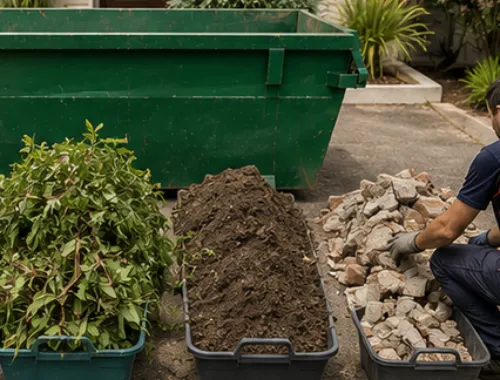
A clear provider should help you distinguish between light household waste, building debris, garden material, clean soil and heavy masonry. These categories are not interchangeable. A garage clean-out, renovation, landscaping job or shed clean-up may contain several types of material, so the project name alone does not determine the correct option.
Before booking, describe the actual contents as clearly as possible. Mention heavy items, household appliances, soil, bricks, concrete, timber, garden material, mattresses, tyres, televisions or gas bottles. Detailed information helps the provider recommend a suitable category and explain any special conditions before delivery.
Check What the Advertised Price Includes
Comparing waste hire prices can be difficult when providers present them differently. One advertised amount may include delivery, pickup, GST and several hire days, while another may leave some of those details unclear.
When choosing a waste hire company in Adelaide, compare each part of the offer rather than relying only on the headline price.
Is GST Included?
The advertised price should clearly state whether GST is already included. This helps households understand the expected cost and allows businesses, builders and tradies to compare providers more accurately.
Are Delivery and Pickup Included?
Confirm whether the amount covers both delivering the bin and collecting it after the hire period. A low starting price is less useful when essential parts of the service are not clearly explained.
How Long Is the Standard Hire Period?
Check how many days are included and what it costs to keep the bin longer. The right hire period depends on the size of the project, who will load the bin and whether other work, trades or deliveries may affect the schedule.
Are Special Items Charged Separately?
Some items may only be accepted when they are declared in advance and charged individually. Ask about mattresses, tyres, televisions, gas bottles and unusual electrical items before booking. Early disclosure helps ensure that the booking total reflects the planned load.
Look for Clear Accepted-Waste Rules
Helpful waste guidance should explain more than what can go into the bin. It should also identify prohibited materials, category restrictions and items that require confirmation.
Hazardous or restricted waste can create safety, disposal and collection problems. Materials such as asbestos, liquids, oil, paint, chemicals, batteries, food waste and general e-waste should never be added unless the provider has specifically confirmed otherwise.
Do not assume an item is accepted simply because it fits inside the bin. Televisions, for example, may be treated differently from general e-waste, while computer monitors may remain prohibited. A reliable provider should explain these distinctions before the booking is completed.
Clear category rules also help customers understand the difference between mixed project waste and clean single-material loads. Soil or masonry bins may require the contents to remain free from household rubbish, timber, garden material and other contaminants.
Understand Weight and Loading Responsibilities
A bin can remain below the rim and still be too heavy. Soil, concrete, bricks, tiles and other dense materials add weight quickly, while furniture, packaging, branches and light household waste behave differently.
Ask whether the selected bin and waste category have a weight limit. Where a limit applies, an overloaded bin may be unsafe or too heavy for the truck to lift. When unsure, describe the material, estimated quantity and project type before delivery.
Some clean soil or masonry categories may have different weight arrangements, but this does not mean the bin can be overloaded. Every load must remain safe, correctly separated and suitable for collection.
Waste should never be placed above the top rim. Nothing should protrude dangerously from the bin, and heavy materials should be loaded carefully rather than concentrated unsafely in one area.
Confirm Delivery Conditions Before Booking
Same-day or urgent delivery can be useful, but the conditions should be clear. Ask whether there is a booking cut-off, whether later orders depend on truck availability and how the delivery date will be confirmed.
Accurate site information is equally important. Mention narrow roads, steep driveways, tight gates, parked vehicles, low trees, low powerlines, soft ground and restricted turning space. The preferred placement area should be ready before delivery and remain accessible until collection.
If the bin needs to be placed on a road, nature strip or another area of public land, a council permit may be required. Confirm which council controls the location, who must arrange the permit and whether approval is needed before the delivery date can be finalised.
Compare Communication, Not Just Claims
Trust is easier to assess through useful information than broad promotional statements. A provider should be able to explain pricing, waste categories, hire duration, loading rules, special items, placement requirements and collection responsibilities clearly.
Pay attention to how questions are answered. Useful guidance should be direct, realistic and consistent with the written booking information. When something requires confirmation, the provider should say so rather than make an assumption.
Good communication also means setting expectations before problems arise. Delivery conditions, access restrictions, prohibited materials, additional hire charges and possible collection issues should be discussed before the bin reaches the property.
This gives the customer and provider a shared understanding of what has been booked and what each party must do.
Use a Simple Pre-Booking Checklist
Before confirming your waste hire booking:
- Identify every material you expect to place in the bin.
- Confirm which waste category matches those materials.
- Choose a size that suits the estimated volume.
- Check whether a weight limit applies.
- Confirm what the advertised price includes.
- Check how many hire days are included.
- Declare separately charged special items.
- Make sure the delivery area is accessible.
- Confirm whether the bin will sit on private or public land.
- Review the planned delivery and collection dates.
These questions turn a general price enquiry into a properly planned booking. They also give the provider enough information to explain important conditions and recommend a suitable option before delivery.
Make an Informed Local Choice
Adelaide Skip Bin Hire PTY LTD provides clear waste-category information, GST-inclusive pricing, delivery, pickup and five days of standard hire within confirmed base prices. Additional hire is available for $10 per day, and declared mattresses, tyres, televisions and gas bottles are charged individually.
Available bins include 2m³, 3m³, 4m³ and 6m³ options, although size availability depends on the selected waste category. Published weight limits apply where confirmed, and customers can discuss material questions, property access, placement and delivery timing before booking.
Orders placed before 11:00 am can receive same-day delivery. Later orders are subject to truck availability and may be arranged for the following day.
To prepare an accurate booking request, provide your waste type, estimated amount, preferred size, delivery address, access details and requested dates. Clear information from the beginning makes it easier to identify a suitable option and prepare properly for delivery.